When Should a Rugby Team Kick for Territory?
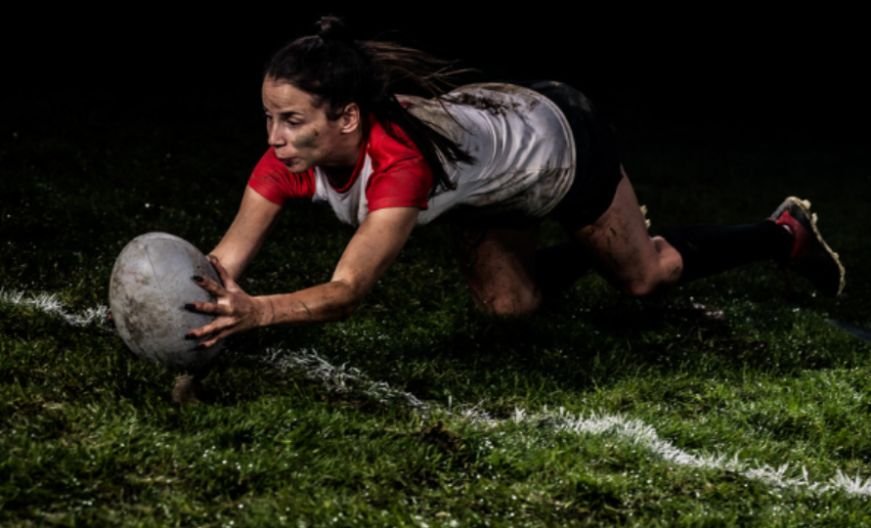
I once viewed every kick as possession surrendered. The more rugby I studied, the more I understood that playing in the right area can matter more than keeping the ball in the wrong one. Knowing when should a rugby team kick for territory helps players escape pressure, exploit uncovered grass, and force difficult decisions.
What Kicking for Territory Means
Territorial kicking moves play into a more favorable area. A team may give up the ball temporarily to gain distance, create pressure, or earn a stronger platform.
Distance alone does not guarantee success. A huge kick down the middle may give a dangerous fullback time to counterattack. A shorter kick toward touch can be better because it limits options and supports the chase.
When Field Position Favors a Kick

Inside Your Own 22
A team under pressure near its try line usually needs a safe exit. Repeated carries increase the danger of a turnover, penalty, or handling error. A controlled clearance toward touch moves play away from the line and lets the defense reorganize.
Between the 22 and Halfway
Kicking becomes attractive when carries produce slow ball, the defense wins the gain line, or grass appears behind the back three.
A kick toward a corner can isolate the receiver. A box kick creates an aerial contest. A low kick behind an aggressive line forces defenders to turn and clear under pressure.
Around Halfway
Halfway can offer a 50:22 opportunity. When a kick starts inside the team’s own half, bounces, and enters touch inside the opposition 22, the kicking team can win the lineout throw.
The tactic works best when defending wings stand high and the backfield is thin. A forced attempt may create counterattacking space.
Inside the Opposition Half
Teams should not kick away promising possession without a clear benefit. Chips, grubbers, and kicks toward the corner should target space behind a rushing defense. If a quick ball is available and defenders are retreating, carrying is usually better.
Six Signs a Team Should Kick
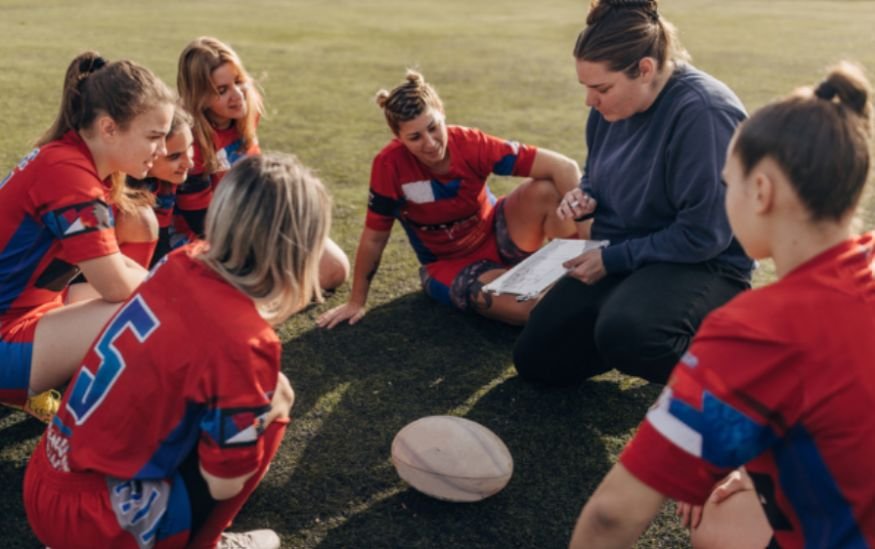
The Attack Has Stalled
After several phases without gain-line success, another carry may increase pressure. A kick can reset the contest farther downfield.
The Backfield Is Exposed
The kicker should scan early. If the fullback joins the defensive line or a wing moves inward, space may appear near touch.
Pressure Is Building
When defenders advance quickly and support is slow, removing the ball from danger may be smarter than another phase.
The Chase Is Ready
Chasers must move onside, stay connected ,close passing lanes, and tackle before a counterattack develops.
Conditions Change the Risk
Rain can make handling dangerous, while wind can increase distance or make high kicks unpredictable. Teams should adapt the kick type and target.
Players must also arrive prepared with suitable boots, dry clothing, grip aids, tape, and weather-ready equipment. Knowing how to build the perfect rugby kit bag ensures essential gear is available when changing conditions affect kicking, handling, and player safety.
The Score and Clock Favor Control
A team protecting a late lead may prefer to play deep in opposition territory. A team trailing with little time left may need to retain possession.
Choosing the Right Kick

Clearance Kick
A clearance escapes pressure, especially from deep inside the defensive end. Touch or a difficult receiving area is usually the safest target.
Box Kick
A box kick moves play beyond an aggressive line while giving chasers time to compete. It needs height, placement, and coordination.
Contestable High Kick
This option sacrifices distance to create an aerial contest. It suits strong chasers or uncertain receivers.
Kick Into Space
A kick into an uncovered corner forces defenders to turn. A rushed return may create an attacking lineout or favorable possession.
When Keeping Possession Is Better
A team should keep carrying when it is winning collisions, generating quick ruck ball, or creating an overlap. Kicking is risky when the backfield is covered, the chase is disconnected, or the opponent has dangerous counter attackers.
A tactical kicking versus running rugby analysis can help teams compare the value of field position with the benefits of maintaining possession in different match situations.
The value of possession also matters when a team needs a try, wants to run down the clock, or has the defense under sustained pressure. Territory and possession are tactical tools, not rival philosophies.
Frequently Asked Questions
1. When should a rugby team kick for territory rather than carry?
A team should kick when it is under pressure, losing the gain line, facing an exposed backfield, or able to trap the opposition deep.
2. Why do rugby teams kick away possession?
They exchange possession for field position, defensive pressure, a possible error, or a better attacking opportunity after the return.
3. Is a box kick always territorial?
No. Some box kicks prioritize an aerial regain, while others move downfield and allow the chase to apply pressure.
4. What Makes a Kick Chase Effective?
An effective chase is connected, onside, disciplined, and fast enough to remove the receiver’s time, space, and passing choices.
Final Thoughts
I now see territorial kicking as controlled pressure rather than wasted possession. The best teams read field position, recognize space, understand the clock, and choose a kick their chase can support. They also know when to keep the ball.
When an attack moves forward, possession deserves protection. When pressure builds in a dangerous area, one accurate kick can transform the contest. The real skill is choosing the moment and making the opposition solve the next problem.