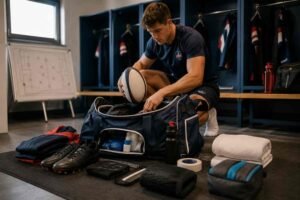
Essential Rugby Equipment Every Beginner Needs for Training and Game Day
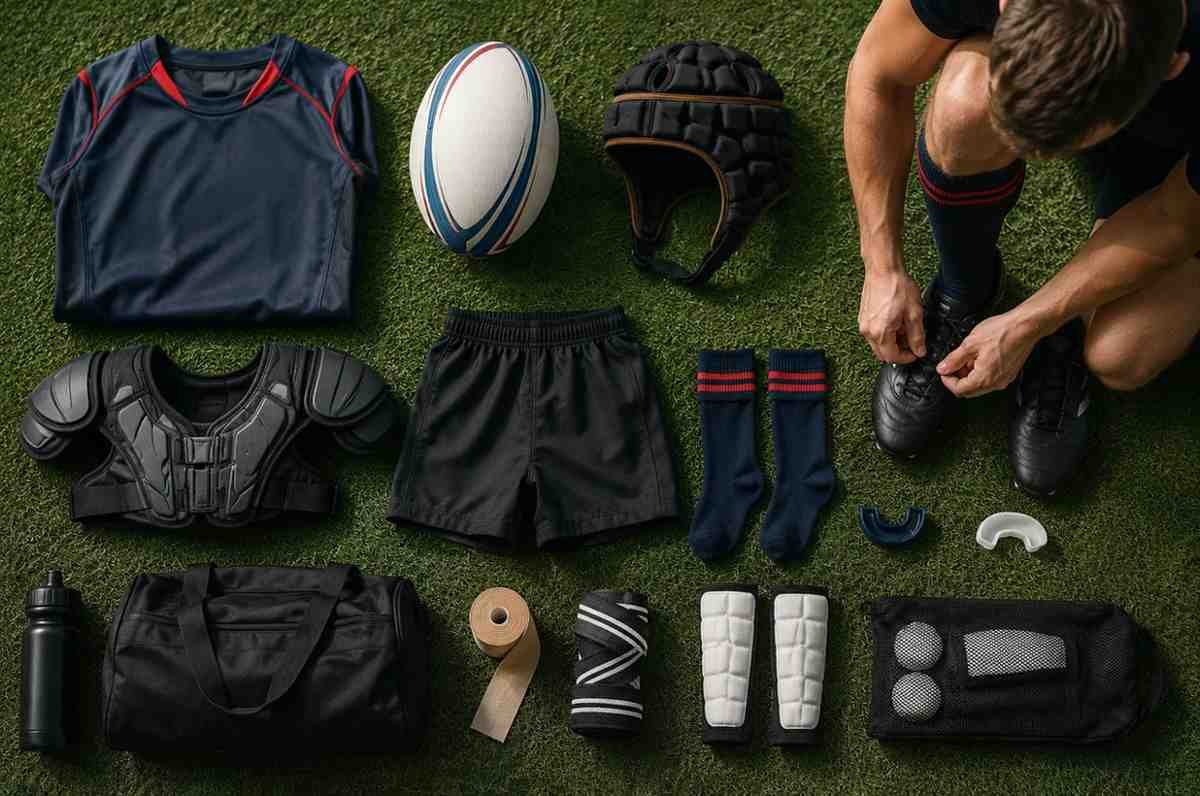
Starting rugby is exciting, but stepping into a sports store or browsing online can quickly become overwhelming. Boots, protective gear, training aids, and dozens of accessories all promise to improve your game. For a beginner, it’s easy to assume you need everything from day one, but that’s rarely the case.
The truth is that a solid rugby kit starts with a few essential pieces of equipment that keep you safe, comfortable, and ready to learn. Once you understand what each item does and why it matters, you can build your gear collection gradually without wasting money on equipment you don’t need yet.
What Rugby Equipment Should Every Beginner Prioritize?
Before buying extra accessories, focus on the equipment that directly affects safety and performance. Some items are mandatory for training and matches, while others become useful as your skills and confidence grow.
Choosing quality basics also helps you develop proper technique from the beginning. Comfortable gear lets you focus on passing, tackling, kicking, and fitness instead of constantly adjusting uncomfortable equipment.
Rugby Boots: Your Most Important Investment
A good pair of rugby boots is the foundation of your kit. Unlike regular athletic shoes, rugby boots provide the grip and traction needed for quick direction changes, scrums, and contact situations.
When choosing boots, consider the surface you’ll play on. Firm ground boots work well on dry natural grass, while soft ground boots use longer studs for muddy fields. The most expensive boots aren’t always the best choice for beginners. Prioritize comfort, support, and the correct fit over flashy designs.
Boots that fit properly also reduce the risk of blisters and help improve stability throughout training sessions and matches.
A Mouthguard Is Non-Negotiable
A mouthguard is one of the simplest yet most important pieces of rugby protective gear. It helps protect your teeth, gums, and jaw during tackles and accidental collisions.
Many beginners start with a boil-and-bite mouthguard because it’s affordable and easy to customize at home. As you continue playing, a professionally fitted mouthguard can provide even better comfort and protection.
Skipping a mouthguard to save money isn’t worth the risk, especially in a contact sport where unexpected impacts happen regularly.
Don’t Overlook Your Rugby Clothing

Your clothing plays a bigger role than many new players expect. Rugby shorts are designed with reinforced stitching to handle pulling and physical contact without tearing.
A durable practice jersey should fit comfortably while allowing a full range of movement. Moisture-wicking fabrics help keep sweat under control during long training sessions, while long rugby socks provide comfort and protect the lower legs when wearing boots.
You don’t need multiple expensive uniforms when starting. A few quality essentials will last much longer than cheaper alternatives.
Choose the Right Rugby Ball
A rugby ball isn’t just for match day. Regular passing and catching practice at home can dramatically improve your handling skills.
Most adult players use a size 5 rugby ball, which is the standard size for senior competition. Younger players should select the appropriate ball size based on their age group to develop proper technique.
Practicing with the same size ball used during games helps build confidence and consistency.
Optional Protective Gear Worth Considering

Not every beginner needs additional protective equipment immediately, but some players find it helpful.
Lightweight shoulder pads can reduce minor bumps and bruises without restricting movement. Scrum caps mainly protect against cuts and abrasions rather than preventing concussions, making them a personal preference rather than a requirement.
Compression clothing can also improve comfort during cooler weather while helping manage muscle fatigue after intense training sessions.
Training Equipment That Helps You Improve Faster
Once you’ve covered the essentials, a few simple training tools can make practice much more effective.
Agility cones help create drills for footwork, passing accuracy, defensive positioning, and speed development. Resistance bands are excellent for strength and mobility work, while tackle bags allow players to safely practice contact techniques.
If you’re looking to improve quick foot movement, agility ladders for rugby are another excellent addition to your training routine. Combined with cones, they help develop coordination, balance, acceleration, and change-of-direction speed that translates directly onto the field.
Common Buying Mistakes Beginners Should Avoid
Many new players spend more than necessary because they don’t know what deserves priority. Avoid these common mistakes:
- Buying expensive boots before ensuring they fit properly.
- Choosing the wrong rugby ball size.
- Ignoring the quality of your mouthguard.
- Purchasing unnecessary accessories before the essential gear.
- Replacing equipment too early instead of maintaining it properly.
Build Your Rugby Kit One Step at a Time

You don’t need a professional-level equipment bag before your first training session. Start with quality rugby boots, a reliable mouthguard, appropriate clothing, and a rugby ball. As your skills improve, you can gradually add training equipment and optional protective gear that matches your playing style and position.
Building your rugby kit this way keeps costs manageable while ensuring every purchase genuinely improves your experience. Investing in the right essentials first also creates a safer, more enjoyable introduction to the sport and gives you the confidence to focus on developing your game.
FAQs: Essential Rugby Equipment Every Beginner Needs for Training and Game Day
1. Do beginners need all rugby protective gear immediately?
No. Rugby boots, a mouthguard, and proper clothing are the priorities. Optional gear like shoulder pads or a scrum cap can be added later based on your comfort and position.
2. What size rugby ball should an adult beginner buy?
Most adult beginners should use a size 5 rugby ball because it’s the official size used in senior matches and training sessions.
3. Can I wear regular soccer cleats for rugby?
Some may be suitable for casual practice, but rugby boots are designed for better traction, stability, and the demands of physical contact.
4. How often should rugby equipment be replaced?
Replace worn boots, damaged mouthguards, or torn clothing when they no longer provide proper support, protection, or comfort. Regular cleaning also helps extend equipment life.
Why Good Equipment Builds Better Players
Every experienced rugby player started with the basics. The difference isn’t having the most expensive gear; it’s choosing equipment that supports safe learning and consistent improvement. When your boots fit properly, your mouthguard protects you, and your training tools match your goals, every practice becomes more productive. Small investments in the right equipment often make a bigger difference than buying premium gear too early.
Start with the essentials, build your kit over time, and let your skills, not your shopping list, do the talking.