How to Build the Perfect Rugby Kit Bag With Essentials You’ll Actually Use
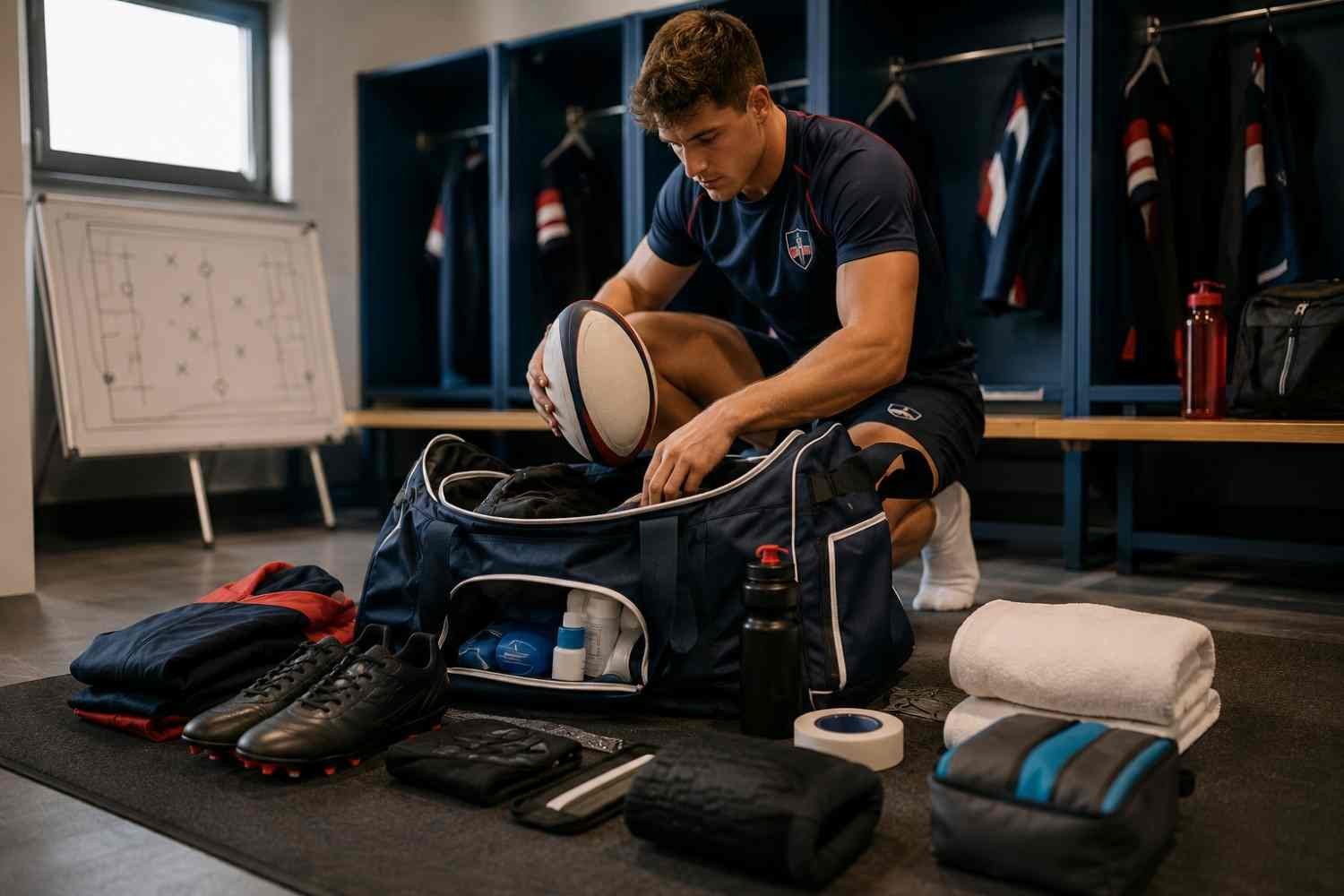
Anyone who’s played rugby long enough has probably experienced that sinking feeling of realizing something important was left behind. Maybe it was a mouthguard sitting on the kitchen counter, clean socks still in the dryer, or tape that disappeared after the last training session. It doesn’t seem like a big deal until you’re standing in the locker room trying to borrow gear minutes before kickoff.
That’s why learning how to build the perfect rugby kit bag isn’t just about throwing equipment into a duffel. A well-packed bag saves time, reduces stress, and helps you stay focused on the game instead of worrying about what you forgot. Whether you’re heading to practice, traveling for an away match, or preparing for tournament weekend, having the right essentials packed and organized makes every rugby day easier.
Start With the Right Rugby Kit Bag
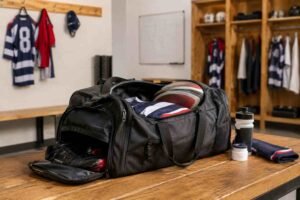
Before deciding what goes inside, choose a bag that works for rugby. The best rugby kit bags are large enough to hold bulky gear without becoming difficult to carry.
Look for features like:
- A separate boot compartment for muddy footwear.
- Waterproof or water-resistant materials.
- Ventilated sections to reduce odors.
- Multiple zippered pockets for smaller accessories.
- Comfortable shoulder straps and reinforced handles.
A bag with dedicated compartments keeps clean clothing separate from wet gear, making post-match cleanup much easier.
Pack the Match-Day Essentials First
Your core rugby equipment should always be packed before anything else.
Start with your match jersey, rugby shorts, socks, and base layers if you wear compression clothing. Then add your boots based on field conditions. Molded studs work well on firm surfaces, while replaceable aluminum studs provide better grip on soft or muddy fields. Keeping a stud key and spare studs in your bag can save you from unexpected equipment problems.
Protective gear is equally important. Your mouthguard should stay inside a ventilated protective case, and carrying a backup is never a bad idea. If you’re still deciding which one fits your playing style, learning how to choose a custom rugby mouthguard can help you find better protection and a more comfortable fit.
Don’t forget a rugby ball if you’re heading to training. Even if your team provides equipment, having your own ball allows for extra passing, kicking, or handling drills before and after practice.
Keep Medical Supplies Within Easy Reach
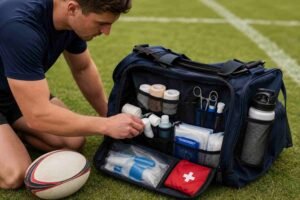
Rugby is a physical sport, so minor injuries are almost unavoidable. Instead of digging through your bag every time you need tape or bandages, keep a small medical pouch ready to go.
Include essentials such as:
- Athletic tape for ankles, wrists, or thumbs.
- Sock tape and lifting tape.
- Adhesive bandages.
- Antiseptic wipes.
- Blister pads.
- Personal medications or inhalers.
- Petroleum jelly to reduce chafing.
Having everything together means you can deal with small issues before they affect your performance.
Don’t Overlook Hydration and Nutrition
Your rugby kit bag should support your performance before, during, and after the match.
Carry at least two reusable water bottles. One can hold plain water while the other contains an electrolyte drink to replace minerals lost through sweat.
Easy-to-digest snacks like bananas, granola bars, energy chews, or sports gels provide quick fuel before kickoff or at halftime. After the game, a shaker bottle with protein powder makes recovery more convenient, especially when you’re traveling home after an away fixture.
These small additions often make a noticeable difference in energy levels throughout a long match day.
Pack for Recovery, Not Just the Game
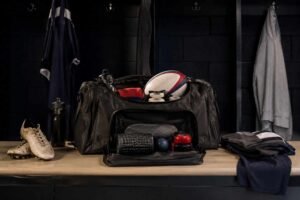
The final whistle doesn’t mean your kit bag has finished its job.
A microfiber towel, shower sandals, body wash, deodorant, and a complete change of clothes help you clean up quickly after the match. Recovery slides or comfortable sneakers are also worth packing after spending hours in rugby boots.
One item many experienced players never forget is a heavy-duty trash bag. It keeps muddy boots, wet jerseys, and damp socks separate from clean clothing, preventing unpleasant odors from spreading through the rest of your gear.
Be Ready for Changing Weather
Weather conditions can change quickly, especially during longer tournaments or weekend fixtures.
A lightweight waterproof jacket, extra socks, gloves for colder conditions, sunscreen, lip balm, and a small towel take up very little space but can make a huge difference in comfort.
Preparing for unexpected weather helps you stay focused instead of scrambling to stay warm or dry before kickoff.
Small Items Players Commonly Forget
Even experienced players occasionally leave behind small but important items.
- Stud key and spare studs.
- Mouthguard case.
- Athletic tape.
- Water bottle.
- Energy snacks.
- Extra socks.
- Phone charger or power bank.
- Plastic bag for wet gear.
Creating a simple checklist inside your bag helps ensure nothing gets missed before leaving home.
Keep Your Rugby Kit Bag Organized All Season

Building the perfect rugby kit bag isn’t a one-time task. Good organization keeps your equipment ready every week.
Unpack wet gear as soon as you get home instead of leaving it inside the bag. Wash clothing promptly, wipe down your boots, replace used tape or first-aid supplies, and restock snacks before the next training session. Many players also keep duplicate toiletries and recovery items inside the bag so they never have to remember packing them again.
A few minutes of organization after every match saves plenty of frustration before the next one.
FAQs: How to Build the Perfect Rugby Kit Bag With Essentials You’ll Actually Use
1. What should every rugby kit bag include?
Every player should pack boots, jersey, shorts, socks, a mouthguard, water bottles, tape, basic first-aid supplies, snacks, and clean clothes for after the game.
2. Should I carry two mouthguards?
Yes. A backup mouthguard is useful if your primary one gets damaged, lost, or accidentally left out after cleaning.
3. How do I stop my rugby kit bag from smelling?
Remove wet gear immediately, clean your boots, use ventilated compartments, and store muddy items inside a separate waterproof bag after matches.
4. How often should I repack my rugby kit bag?
Check and restock it after every training session or match to replace used tape, snacks, toiletries, and clean clothing before your next game.
Why Good Preparation Always Shows on Match Day
The best rugby players rarely leave preparation to chance, and that starts long before stepping onto the field. Building a well-organized rugby kit bag means you’re ready for changing weather, unexpected equipment issues, recovery after the final whistle, and everything in between. It’s a simple habit that reduces stress while helping you perform with confidence every time you play.
The fewer things you have to think about before kickoff, the more attention you can give to the game itself.