What Rugby Gear Mistakes New Players Make Without Realizing It
Walking onto a rugby field for the first time is exciting. Most new players spend weeks learning the rules, improving their fitness, and practicing basic skills. But there’s one thing many overlook until it’s too late: their gear. It’s surprisingly common to show up with the wrong boots, an uncomfortable mouthguard, or clothing that isn’t built for the physical demands of the game.
The good news is that most beginner mistakes are easy to avoid once you know what to look for. You don’t need the most expensive equipment or a locker full of accessories. You simply need gear that fits properly, meets safety requirements, and suits the way you’ll play. Getting those basics right makes training more comfortable, helps reduce injury risks, and lets you focus on improving instead of fixing equipment problems.
Why Your First Rugby Kit Matters More Than You Think

Rugby is a contact sport where every piece of equipment serves a purpose. Unlike sports where appearance often influences buying decisions, rugby gear should always be chosen for safety, comfort, durability, and performance.
Many beginners assume buying premium equipment will instantly improve their game. In reality, the right fit and the right type of gear matter far more than the price tag. Making smart choices early also saves money because you won’t need to replace poorly chosen equipment after only a few training sessions.
Buying the Wrong Rugby Boots
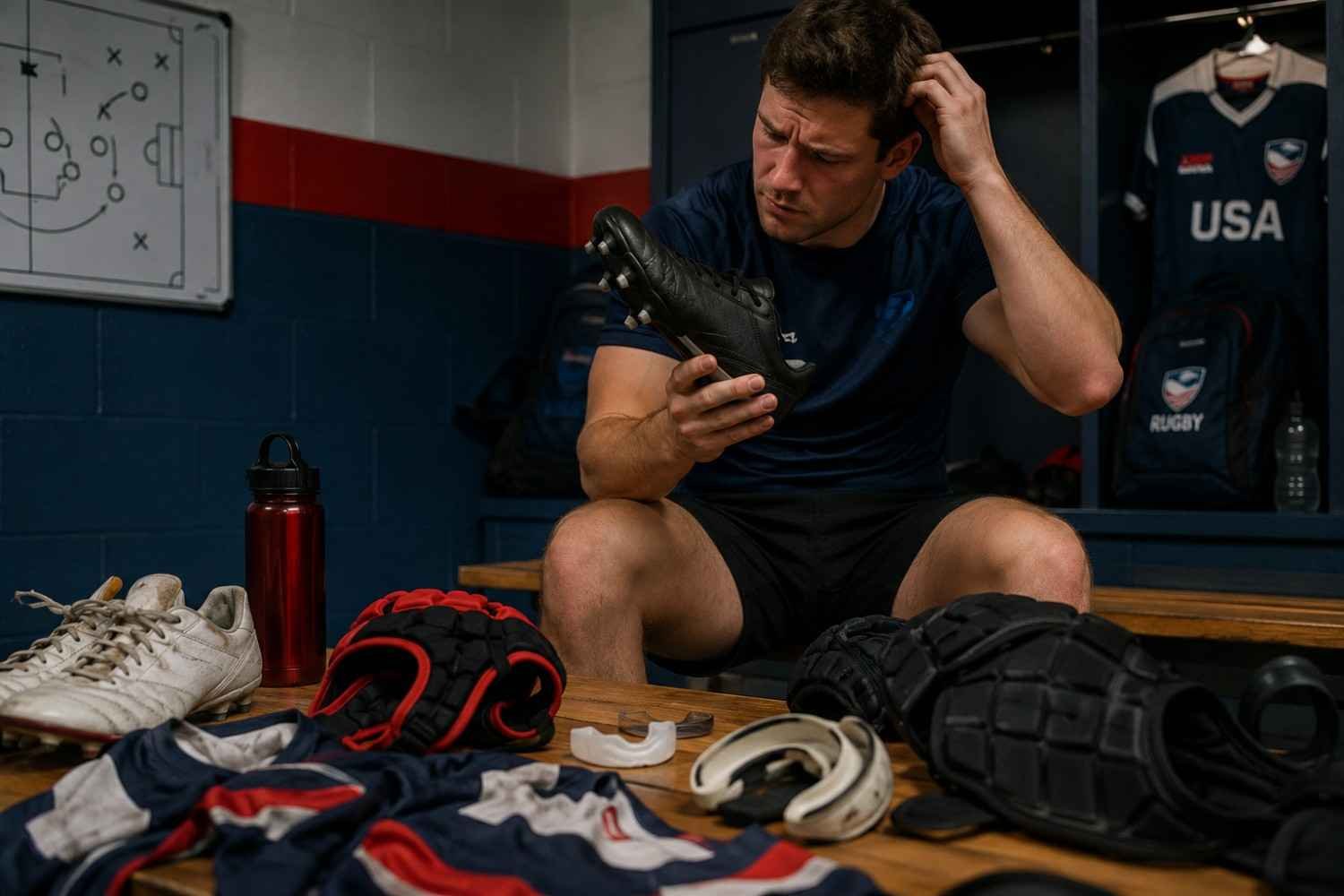
One of the biggest rugby gear mistakes new players make is purchasing boots before understanding the surface they’ll play on.
Soft, muddy fields usually require screw-in metal studs that provide better grip during scrums and quick changes of direction. Harder, drier fields are better suited to molded or firm-ground boots. Wearing the wrong type affects traction, increases slipping, and can even contribute to unnecessary injuries.
Position also matters. Forwards often benefit from stable eight-stud boots that provide extra grip during set pieces, while backs generally prefer lighter six-stud boots designed for speed and agility.
Another mistake is wearing football or baseball cleats with a toe stud. These aren’t permitted under rugby regulations because they create additional safety risks during contact.
Ignoring Boot Fit

Even the right boots become a problem if they don’t fit properly.
Many beginners buy boots that are either too tight, hoping they’ll stretch, or too loose, thinking thicker socks will solve the issue. Neither works well. Poorly fitted boots cause blisters, reduce stability, and make quick movements more difficult.
When trying on rugby boots, wear the same socks you’ll use during matches. Your heel should stay secure while your toes still have enough room to move naturally without sliding forward.
Treating a Mouthguard Like an Optional Accessory
A mouthguard isn’t just another item on your shopping list it’s one of the most important pieces of rugby equipment.
Boil-and-bite mouthguards only work properly when molded correctly. Skipping that step often leaves them loose enough to fall out during contact, reducing the protection they’re designed to provide.
Replacing a poorly fitted mouthguard costs far less than repairing damaged teeth, making it one purchase that should never be rushed.
Assuming More Protective Gear Means More Safety
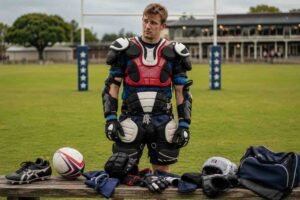
It’s easy to believe that adding shoulder pads or a scrum cap makes you significantly safer.
While approved protective equipment can help reduce minor bumps and cuts, it doesn’t prevent concussions or replace proper tackling technique. Relying too heavily on extra padding may even encourage poor habits because players feel more protected than they actually are.
Learning correct body position and safe contact skills will always have a greater impact than wearing additional padding.
Wearing Clothing That Isn’t Built for Rugby
Regular gym clothes rarely survive rugby for long.
Cotton shorts can tear during tackles, hoodies restrict movement, and loose clothing is easier for opponents to grab. Rugby-specific shorts are made from stronger materials designed to withstand repeated contact, while moisture-wicking shirts help players stay more comfortable during long training sessions.
Checking the weather is equally important. Extra base layers may be useful in cold conditions, while lightweight clothing helps during warmer practices.
Buying Everything Before You Need It

New players sometimes assume they need every accessory available before their first practice.
In reality, most beginners only need a few essentials:
- Rugby boots suited to the playing surface
- A properly fitted mouthguard
- Rugby shorts and training shirt
- Rugby socks
- Water bottle and athletic tape if needed
Everything else can be added as your experience grows and your coach recommends specific equipment.
Forgetting That Gear Needs Maintenance
Buying quality equipment is only half the job.
Clean boots after muddy sessions, inspect studs for damage, air out your mouthguard after every use, and replace worn gear before it affects performance. These simple habits extend the life of your equipment while helping it perform as intended throughout the season.
Staying organized also makes a difference. Learning how to build the perfect rugby kit bag helps ensure nothing important gets left behind before training or match day.
Spending More Than You Should

Expensive gear doesn’t automatically make someone a better player.
Many beginners invest heavily before understanding what they actually need. A mid-range pair of boots that fit correctly often performs better than premium boots that don’t match the playing surface or your position.
Start with reliable essentials, then upgrade as your skills, playing style, and experience develop. You’ll make smarter purchasing decisions and avoid wasting money on equipment that doesn’t suit you.
FAQs: What Rugby Gear Mistakes New Players Make Without Realizing It
1. Do beginners need expensive rugby gear?
No. Well-fitting, durable equipment is more important than premium brands. Start with the essentials and upgrade only after gaining experience.
2. Can I wear soccer or football cleats for rugby?
Not always. Some cleats don’t meet rugby safety standards, especially those with a front toe stud. Always check league or club requirements before playing.
3. Is a scrum cap required?
No. Scrum caps are optional protective equipment. They may reduce minor impacts but don’t prevent concussions or replace proper tackling technique.
4. What’s the first piece of rugby gear I should buy?
A quality mouthguard and boots that match your playing surface should be your first priorities, followed by rugby-specific clothing built for contact.
Smart Gear Choices Build Better Players
Every experienced rugby player remembers making a few equipment mistakes early on. The difference is learning from them before they become expensive or affect your confidence on the field. Choosing boots that fit, wearing approved protective gear, maintaining your equipment, and buying only what you truly need creates a stronger foundation for long-term development.
The right gear won’t win matches for you, but it will help you play safer, train harder, and enjoy every minute on the field.