How to Analyze Attacking Patterns in Women’s Rugby
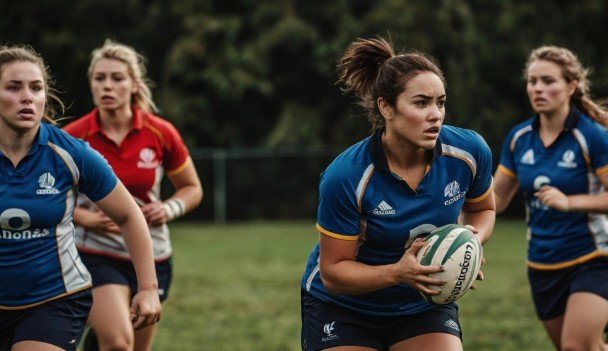
When I review a match, I do not begin by counting tries. I look for repeated decisions: where possession starts, how quickly the ball leaves the ruck, who becomes first receiver, and how the defence reacts. Learning how to analyze attacking patterns in women’s rugby turns ordinary footage into a practical coaching tool.
What Is an Attacking Pattern?
An attacking pattern is a repeatable method for moving the ball, manipulating defenders, and creating scoring opportunities.
Examples include playing several phases the same way, using forward pods around the scrum-half, passing behind a pod to a deeper playmaker, or attacking wide before returning to the short side. Structures such as 1-3-3-1 and 2-4-2 organize players, but spacing, timing, and roles determine whether they succeed.
Why Women’s Rugby Needs Focused Analysis
Women’s rugby should be evaluated on its own terms. Competition level, experience, tactics, and training time can influence attacking choices.
In XVs, analysts often study set-piece possession, ruck speed, gain-line carries, field position, and multi-phase continuity. In sevens, larger spaces increase the importance of passing accuracy, evasion, support positioning, and decisions under pressure.
Useful indicators include possession, territory, line breaks, 22-metre entries, gain-line success, rucks won, and ball speed. Numbers matter only when connected to their pattern.
How to Analyze Attacking Patterns Step by Step
Start With One Question
Do not record every action. Ask one useful question. Why does the team struggle to reach the edge? Does slow ball stop the backs from attacking space? A focused question keeps clips and statistics connected to a coaching purpose.
Record the Source and Field Zone
Tag whether each sequence begins from a scrum, lineout, turnover, restart, or kick receipt. Then note the field zone: defensive 22, middle third, attacking half, or opposition 22. Compare patterns from similar starting positions.
Identify Shape, Width, and First Receiver
Pause before each phase. Note how the forwards are distributed and identify the first receiver. Is the team playing from the scrum-half, using a forward pod, or passing behind it to a fly-half or second playmaker?
Check width and depth. Effective width stays connected and gives the ball carrier several options.
Track Ruck Speed and Gain-Line Success
Record whether each carry finishes behind, on, or beyond the gain line. Then classify the next ball as quick, average, or slow. Quick ball can stop defenders from resetting, while slow ball may force the attack to narrow or become predictable.
Study the Defensive Reaction
Watch whether defenders narrow around repeated forward carries, drift early, overfold around a ruck, or leave disconnected players. A return play may work because earlier phases pulled defenders away from the short side.
Connect the Pattern to an Outcome
Do not judge possession only by tries. Track the key statistics in women’s rugby matches, including dominant carries, quick rucks, penalties, line breaks, 22-metre entries, forced errors, turnovers, and territorial kicks. Compare how often each pattern produces a positive outcome across several matches.
Example of a Multi-Phase Attack

Imagine a team wins a lineout near halfway. A midfield carry attracts defenders, followed by quick ball and a forward pod from the scrum-half. On the third phase, the fly-half receives a pull-back pass behind another pod and moves the ball wide.
The defence overfolds toward the touchline. The attack then returns to the short side, where a supporting runner breaks through a weakened edge. Like assessing special agent physical requirements, analysing the move requires looking beyond the final action. The opportunity came from the starting position, ruck speed, width, and earlier direction changes, not only the final pass.
Turn Findings Into Better Training
Every analysis should lead to a training decision. If the team loses width after slow rucks, use a drill that requires players to rebuild shape under pressure. If pull-back passes create space but support runners arrive late, rehearse their timing and communication.
Show players the intended pattern, the breakdown, and the corrected version.
Frequently Asked Questions
1. What equipment is needed?
Basic match footage, a notebook, and a spreadsheet are enough. Analysis software can speed up tagging, but consistency matters more than expensive technology.
2. How many matches should be reviewed?
Three to five matches provide a useful starting sample and help separate real tactical habits from one-off decisions.
3. Which attacking metric matters most?
No single metric explains the whole attack. Combine possession source, field position, gain-line success, ruck speed, line breaks, 22-metre entries, and outcome.
4. How can beginners learn how to analyze attacking patterns in women’s rugby?
Start with one question and one recurring pattern. Track where it begins, how each phase changes the defence, and what outcome follows. Add variables only after the process becomes consistent.
Final Whistle: Turn Analysis Into Action
When I analyze an attack well, I finish with a clearer coaching decision, not simply more clips. I can identify which structures create space, which details slow the team down, and which habits deserve attention in training.
The best process connects possession source, shape, ruck quality, defensive response, and outcome. By reviewing those elements consistently, I can turn match footage into improvements that help players recognize space, decide faster, and attack with greater purpose.