How Agility Ladders for Rugby Help Players Move Faster on the Field
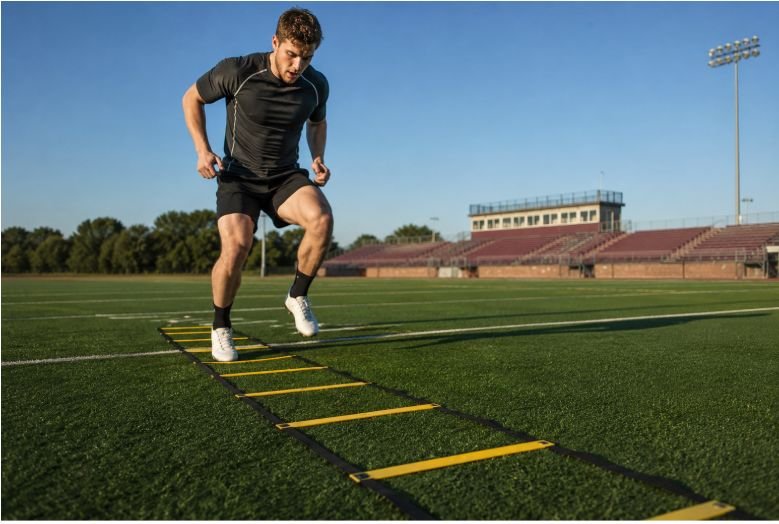
Watch any great rugby player in a one-on-one situation, and you’ll notice something interesting. They rarely rely on outright speed alone. Instead, they create space with quick feet, sharp changes of direction, and perfect timing. That’s often the difference between breaking the defensive line and getting wrapped up in a tackle.
That’s where agility ladders for rugby have earned their place in training sessions. They won’t magically turn anyone into the fastest sprinter on the team, but they do improve the movement skills that rugby demands every weekend. Better coordination, cleaner foot placement, faster reactions, and smoother direction changes all help players move more efficiently when the game speeds up.
What Agility Ladders Actually Improve
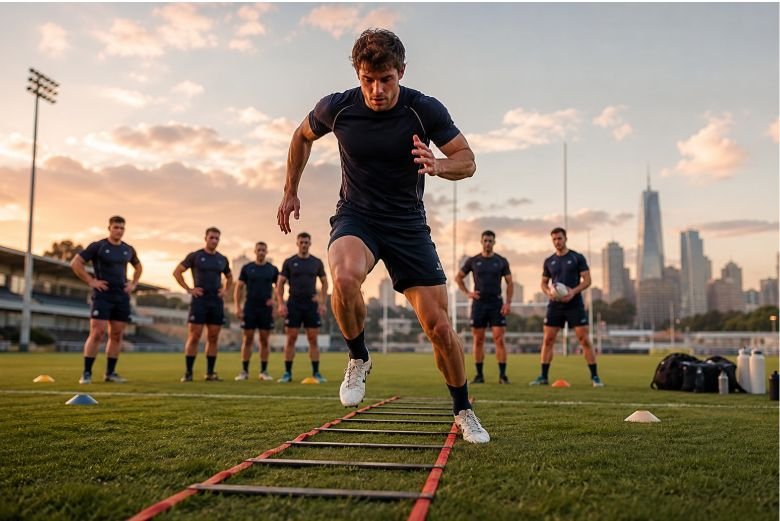
One of the biggest misconceptions about agility ladder drills is that they directly increase sprint speed. That’s not entirely true. Top-end speed comes from developing strength, power, sprint mechanics, and explosive acceleration.
What agility ladders do exceptionally well is improve movement efficiency. High-tempo footwork activates the central nervous system, helping muscles respond more quickly during training and matches. As the brain and body communicate more efficiently, players become better at placing their feet, maintaining balance, and reacting under pressure.
Ladder drills also reduce unnecessary ground contact time. Spending less time on the ground means transitioning into the next movement faster, whether that’s stepping around a defender or chasing down a loose ball.
Why Agility Ladders Matter During Rugby Matches
Faster Footwork Around Defenders
Rugby is filled with split-second decisions. A delayed step or awkward foot placement can give defenders enough time to close the gap.
Regular ladder training develops quicker foot transitions, making it easier to perform side-steps, dummy runs, and support lines without losing momentum. Keeping the feet underneath the body’s center of gravity also improves balance during sudden movements.
Better Change of Direction
Very few movements in rugby happen in a straight line. Players constantly accelerate, decelerate, cut sideways, and reposition themselves.
Advanced ladder drills teach controlled deceleration mechanics, allowing players to slow down efficiently before exploding into another direction. Instead of drifting wide or stumbling after a cut, players maintain better body control throughout the movement.
Improved Lateral Movement

Many rugby situations require explosive side-to-side movement rather than forward speed. Defensive slides, evasive running, and recovering after contact all depend on lateral quickness.
Exercises like the Carioca drill, lateral high knees, and side shuffles encourage hip mobility and rotational control that closely resemble real match situations. Over time, these patterns become more natural during games.
Sharper Reaction Time
Quick feet mean little if players hesitate before moving.
Ladder drills become even more valuable when they’re paired with reaction-based coaching cues. Responding to visual or verbal commands immediately after completing a ladder pattern trains athletes to process information and move without unnecessary delay.
The Best Agility Ladder Drills for Rugby Players
Not every drill delivers the same benefit. These movements target the skills rugby players rely on most.
- One Foot In – Develops rhythm, coordination, and consistent foot placement.
- Two Feet In – Improves balance while increasing foot speed through each ladder square.
- Ickey Shuffle – Builds multidirectional movement and prepares players for quick attacking steps.
- Carioca Drill – Enhances hip rotation, lateral movement, and body coordination.
- Lateral High Knees – Strengthens sideways movement while improving balance and posture.
- In-and-Out Drill – Encourages rapid foot transitions that help during evasive running.
Quality matters more than speed. Performing every drill with good posture and controlled movement creates better long-term results than rushing through the ladder.
Common Mistakes That Slow Progress
Many players make the same errors when using agility ladders.
- Looking down at the ladder throughout every repetition.
- Moving quickly but sacrificing technique.
- Taking oversized steps instead of short, controlled movements.
- Treating ladder drills as sprint training.
- Ignoring recovery between high-intensity sets.
- Performing ladder work without combining it with sprint or strength sessions.
Fixing these habits helps every drill transfer more effectively to match-day performance.
Turning Ladder Work Into Match-Day Speed

The biggest improvements happen when agility ladders become one part of a complete training program.
Many coaches recommend finishing a ladder sequence with an explosive five-meter sprint, a reactive direction change, or a short acceleration drill. This bridges the gap between fast footwork and real rugby movement, teaching the body to apply coordination under game-like conditions.
Strength training, plyometrics, and sprint work should also complement ladder sessions. Together, they improve acceleration, power, and movement efficiency far more effectively than ladder drills alone.
Equipment also plays a role. Stable footing allows players to move confidently through every repetition, especially on natural grass. Wearing the right rugby boots for speed helps maximize traction during explosive cuts and quick directional changes, making every agility session more effective.
FAQs: How Agility Ladders for Rugby Help Players Move Faster on the Field
Do agility ladders make rugby players faster?
Not directly. They improve coordination, balance, reaction time, and foot speed, which help players move more efficiently during matches.
How often should rugby players use agility ladders?
Two to three sessions each week are usually enough. Pairing them with sprint and strength training delivers better overall performance than ladder work alone.
Are agility ladders suitable for every playing position?
Yes. Backs benefit from quicker footwork and evasive movement, while forwards improve balance, coordination, and mobility during contact situations.
What’s the biggest mistake players make with ladder drills?
Many focus only on moving faster instead of moving well. Proper technique, posture, and controlled foot placement matter more than rushing through every repetition.
Why Better Movement Always Beats Faster Feet
Agility ladders don’t promise instant speed, but they build the movement qualities that rugby players rely on every time they step onto the field. Better coordination, cleaner footwork, quicker reactions, and sharper changes of direction often create more opportunities than simply running faster in a straight line.
The players who move most efficiently are usually the ones who create the biggest moments when the match is on the line.