Harvard vs McGill first rugby game history: The 1874 Match That Changed Football
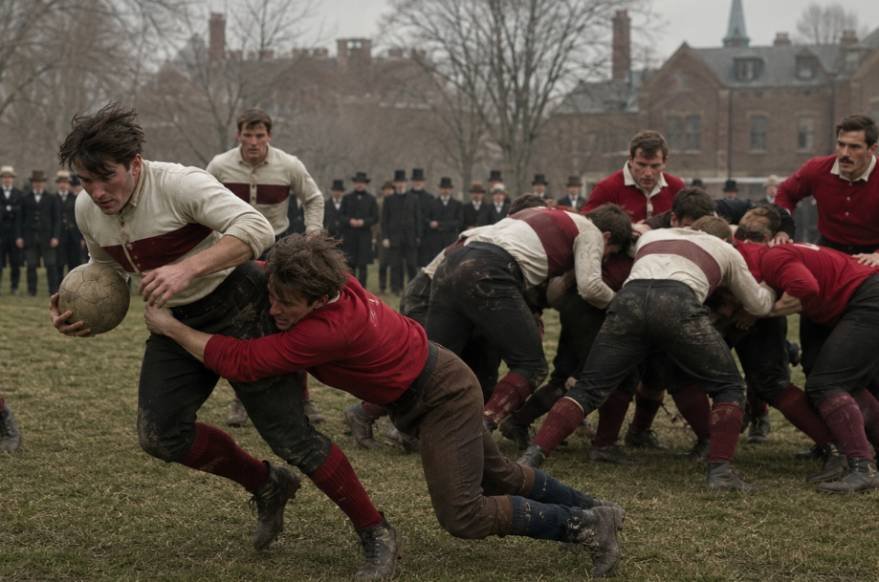
When I trace the origins of college football in the United States, I keep returning to two spring afternoons in Cambridge, Massachusetts. The Harvard vs McGill first rugby game history is more than an old scoreline. It shows how a Canadian rugby team introduced Harvard to a freer, more physical style of play and helped steer American college sports away from soccer-like rules toward modern gridiron football.
Harvard and McGill met at Jarvis Field on May 14 and 15, 1874. Harvard won the first game 3–0 under its local “Boston Game” rules. The second contest, played under McGill’s Canadian rugby rules, ended 0–0. That May 15 meeting is widely recognized as the first formal intercollegiate rugby-style football game played in the United States.
Why Did Harvard and McGill Play Two Games in 1874?
McGill rugby captain David Rodger challenged Harvard captain Henry Grant to a series, but the schools followed very different rulebooks.
Harvard’s Boston Game relied heavily on kicking a round ball. Players could carry it only in limited situations, including when pursued. McGill followed English-influenced rugby rules that allowed freer running, tackling, scrummaging, and tries.
The captains solved the problem by alternating formats. The May 14 game used Harvard’s rules, while the May 15 rematch used McGill’s. Their compromise created a direct test of two competing football traditions.
What Happened in the May 14 Harvard vs McGill Game?
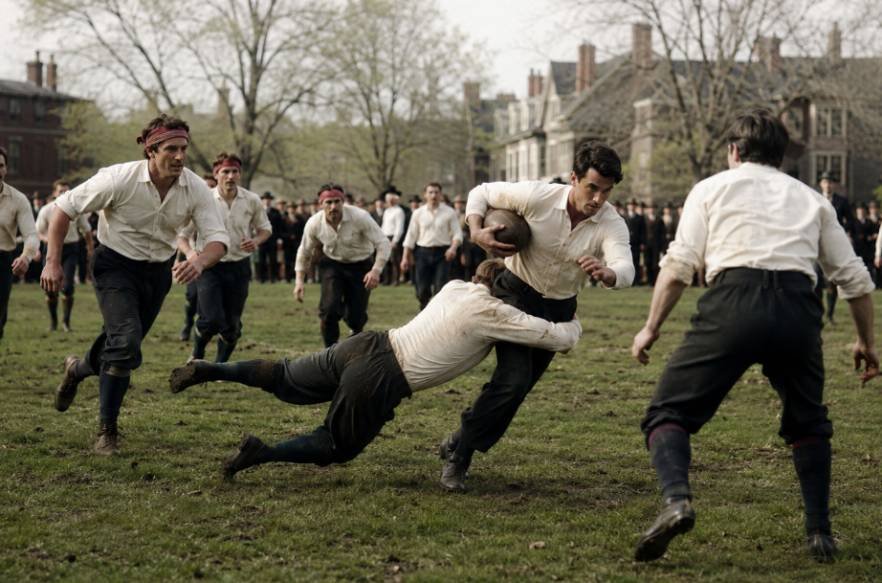
Harvard’s familiarity with the Boston Game gave the home team an advantage, and it won 3–0 at Jarvis Field.
Around 500 spectators, mostly students, reportedly paid 50 cents each. The gate money supported an entertainment fund for the visiting McGill players and helped cover expenses connected with their trip.
The game also introduced an early Harvard uniform. Previously, players often wore old clothes they expected to ruin. For this series, Harvard appeared in dark trousers, white gauze undershirts, and magenta handkerchiefs tied around their heads.
Why Was the May 15 Rugby Match So Important?
The teams returned the next day under McGill’s rugby rules. Players could run with the ball, tackle the carrier, contest possession in scrummages, and attempt a try by grounding the ball beyond the opponent’s goal line.
The match ended in a scoreless tie, but Harvard’s athletes discovered a game with more movement, physical contact, and tactical variety than their kick-dominated local code.
The ball created one of the event’s most memorable stories. McGill normally used an oblong, melon-shaped rugby ball, but the team reportedly left its rugby balls in Montreal. With no suitable replacement available in Boston, the players used Harvard’s round soccer-style ball for the historic rematch.
How Did the Boston Game Differ From McGill Rugby?
| Feature | Harvard’s Boston Game | McGill’s Rugby Rules |
| Main method | Kicking | Running, carrying, and kicking |
| Ball carrying | Limited | Freely permitted |
| Tackling | More restricted | Central to defense |
| Scoring | Local goal system | Goals and tries |
| Style | Soccer-like | Rugby-style |
| Result | Harvard won 3–0 | 0–0 tie |
The second game mattered because Harvard did not merely face a Canadian opponent. Its players experienced a system that expanded what teams could do with possession.
How Did McGill Rugby Influence American Football?
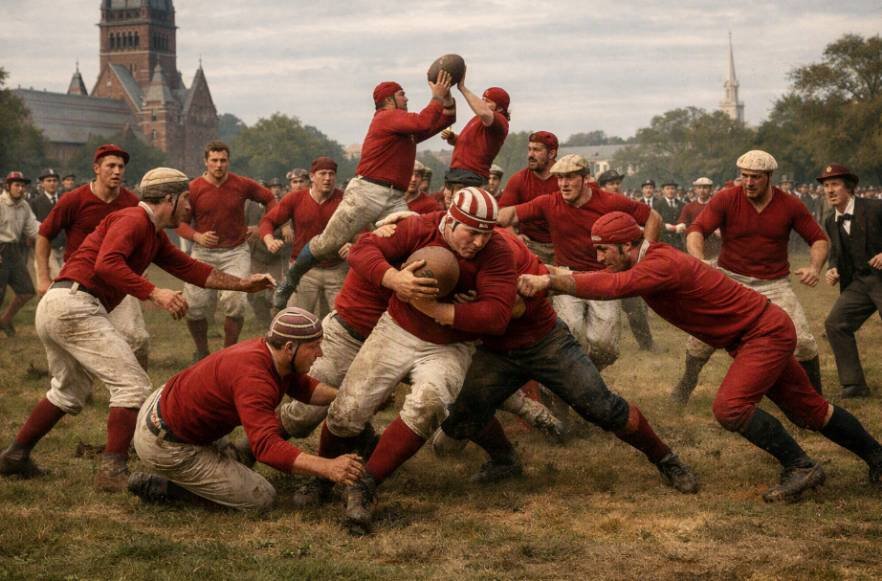
Harvard quickly embraced major parts of McGill’s game, including running, tackling, scrummaging, and the concept of a try. It adopted rugby-influenced rules and used a modified version against Yale in 1875.
This scoring concept also explains the touchdown’s rugby origin, as early players had to ground the ball beyond the goal line before American football eventually removed the physical touching-down requirement.
Yale players and spectators responded enthusiastically, while Princeton observers also recognized the appeal. In 1876, Harvard, Yale, Princeton, and Columbia moved toward a shared rugby-based intercollegiate code.
American rulemakers later reshaped that foundation through the line of scrimmage, downs, blocking systems, specialized positions, and the forward pass. McGill did not invent the finished sport alone, but the 1874 series redirected US college football toward rugby rather than soccer.
Was Harvard vs McGill the First Rugby Game in North America?
That claim requires careful wording. Rugby and rugby-like games had already appeared in Canada, including contests involving British military personnel and Canadian students.
The safest description is that May 15, 1874, marked the first formal intercollegiate rugby-style football game in the United States. It also became one of the most influential cross-border events in North American sports history.
What Is the Peter Covo Memorial Cup?
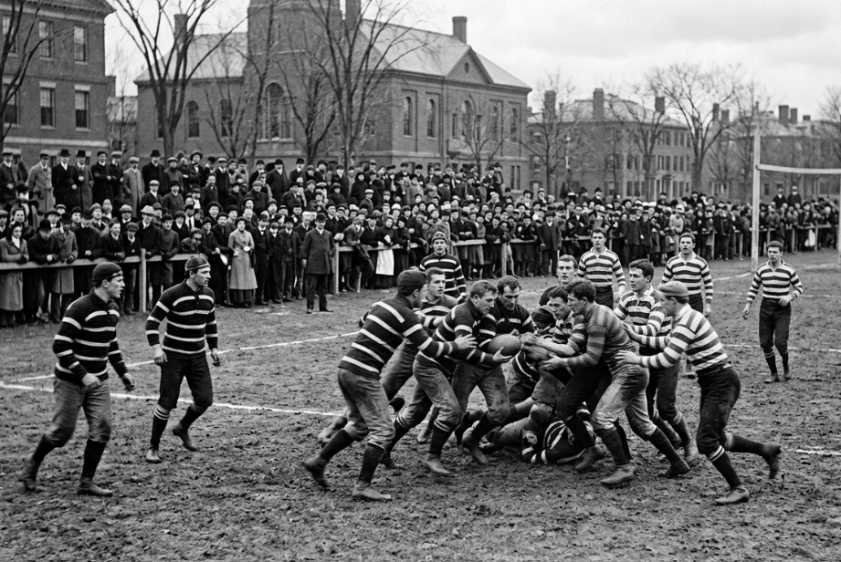
Harvard and McGill revived their rivalry in 1974, a century after the original series, by establishing the Peter Covo Memorial Cup. The trophy honors Peter Covo, a respected McGill professor, athlete, and rugby coach.
Beyond the trophy itself, the revived series also reflects the third half rugby tradition in America, where opposing players gather after the match to share food, conversation, and mutual respect.
The schools have since competed for the cup in an almost annual rugby union exhibition, although the series has experienced gaps. The tradition links today’s Harvard Crimson and McGill Redbirds players directly to the 1874 matches.
Frequently Asked Questions
1. Who won the first Harvard vs McGill game?
Harvard won the May 14 Boston Game 3–0, while the May 15 rugby-rules match ended 0–0.
2. Where did Harvard and McGill play in 1874?
Both games took place at Jarvis Field in Cambridge, Massachusetts, on land now associated with Harvard Law School.
3. Why did Harvard and McGill use a round ball for rugby?
McGill reportedly forgot its oblong rugby balls in Montreal, so the teams used Harvard’s round ball.
4. Did the Harvard–McGill series create American football?
Not by itself, but it introduced Harvard to rugby-style rules that strongly influenced American gridiron football.
Why Does the 1874 Harvard–McGill Series Still Matter?
I see the Harvard vs McGill first rugby game history as proof that American football evolved through experimentation rather than one sudden invention. Harvard brought its Boston Game. McGill brought running, tackling, tries, and contested possession. Together, they tested both systems and changed the direction of US college sports.
The May 15 match produced no winner, yet its influence reached Yale, Princeton, and generations of American football players. Few scoreless ties have created a larger sporting legacy.