How to Choose a Custom Rugby Mouthguard for Better Comfort and Protection
Most rugby players spend plenty of time choosing the right boots, comparing shoulder pads, or debating which ball feels best in training. Yet one piece of equipment often gets far less attention until something goes wrong: a mouthguard. It’s easy to assume they’re all the same, but after wearing different types over multiple seasons, many players realize that comfort and protection can vary more than expected.
Learning how to choose a custom rugby mouthguard isn’t just about buying the most expensive option. It’s about finding one that fits your teeth properly, stays in place through every tackle, and lets you breathe and communicate without distraction. A well-made custom mouthguard becomes something you barely notice during a match, which is exactly how it should feel.
Why a Custom Rugby Mouthguard Is Worth Considering

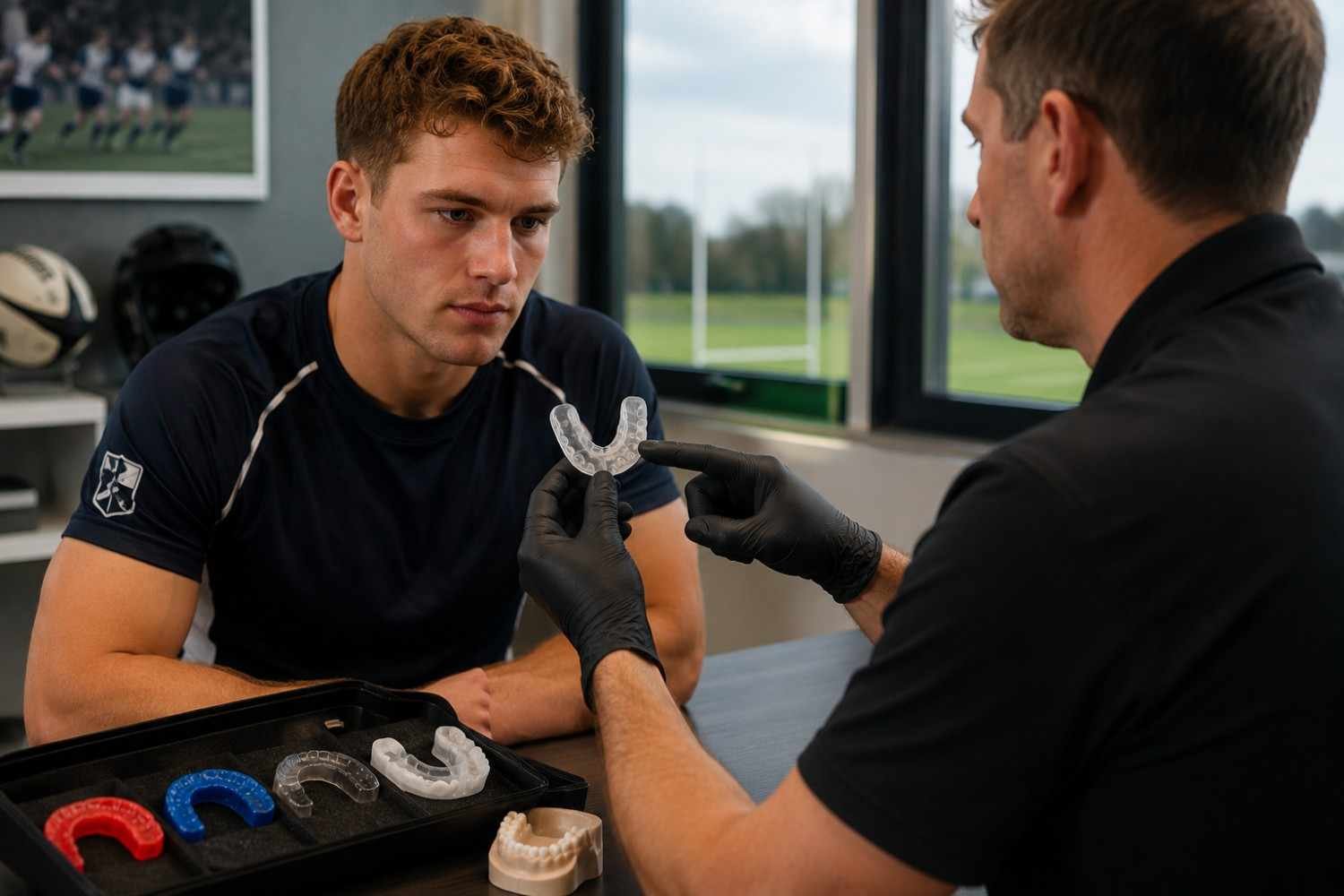
A custom rugby mouthguard is designed specifically for your teeth instead of being molded from a generic shape. Unlike boil-and-bite models, custom options create a secure fit that stays locked onto your upper teeth during contact.
That secure fit matters because rugby is a high-impact sport. Whether you’re carrying the ball into contact or defending in open play, your mouthguard should absorb force without constantly shifting around. A properly fitted guard also reduces the temptation to remove it between phases because it feels more natural to wear.
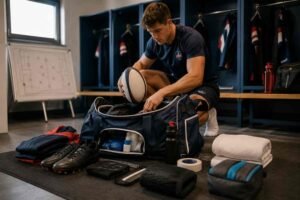
For new players building their kit, a quality mouthguard belongs alongside essential rugby equipment every beginner needs because protecting your teeth is just as important as choosing the right boots or jersey.
Start With the Right Fit
Fit should always be the first thing you consider. Even premium materials won’t provide their full benefit if the mouthguard doesn’t fit correctly.
Most custom mouthguards begin with either a traditional dental impression using putty or a digital intraoral scan. Digital scanning has become increasingly popular because it captures highly accurate details while making it easier to accommodate braces or complex dental work.
A properly fitted mouthguard should:
- Snap securely onto your upper teeth without needing to bite down constantly.
- Stay in place during tackles, scrums, and rucks.
- Feel snug without causing pressure points.
- Allow natural jaw movement.
If you’re constantly adjusting your mouthguard during training, it’s probably not the right fit.
Pay Attention to Thickness and Protection
Not every rugby player needs the same level of protection, but thickness plays an important role in absorbing impact.
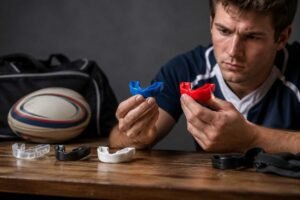
Many quality custom rugby mouthguards use multiple protective layers while maintaining approximately 3 to 4 millimeters of material across the front teeth. That extra protection helps absorb force from shoulders, elbows, accidental head clashes, and ground contact.
Coverage matters just as much. The mouthguard should extend far enough to protect the first molars without reaching so far back that it irritates the soft palate or triggers gagging.
A thicker mouthguard isn’t automatically better. Too much bulk can make breathing uncomfortable, while a guard that’s too thin may not provide enough shock absorption for a contact sport like rugby.
Choose Materials That Balance Comfort and Durability
Modern custom mouthguards are commonly made from high-quality EVA materials because they combine flexibility with excellent impact protection.
The best designs balance firmness with enough flexibility to prevent sore teeth during long matches. A rigid guard may feel secure at first but become uncomfortable after eighty minutes, while one that’s too soft may compress too easily under heavy impact.
Quality construction also improves durability, helping the mouthguard maintain its protective shape throughout an entire season with proper care.
Make Sure You Can Breathe and Communicate

One feature many players overlook is airflow.
A bulky mouthguard can make breathing feel restricted, especially during repeated high-intensity phases. Slim-profile custom designs reduce unnecessary material around the roof of the mouth, making it easier to breathe naturally without sacrificing protection.
Communication matters too. For scrum-halves directing play or captains organizing defensive lines, speaking clearly is essential. A properly fitted custom mouthguard should allow you to call instructions without constantly removing it between phases.
Think About Your Playing Position
Your position can influence the type of mouthguard that works best.
Forwards usually experience repeated close-contact collisions through scrums, mauls, and rucks. They often benefit from maximum impact protection and slightly more robust designs.
Backs generally prioritize comfort, breathing, and communication because they’re covering more ground at higher speeds while constantly talking throughout defensive and attacking plays.
Regardless of position, the goal remains the same: dependable protection without affecting performance.
Don’t Ignore Cleaning and Storage
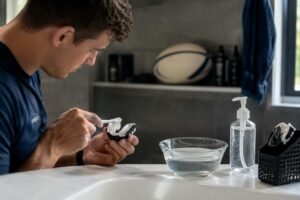
Even the best mouthguard won’t last if it’s poorly maintained.
After every training session or match:
- Rinse it with cool water.
- Clean it regularly using mild soap or a mouthguard cleaner.
- Let it dry completely before storing it.
- Keep it inside a ventilated hard case instead of tossing it into your gear bag.
Heat can permanently change its shape, so never leave it inside a hot vehicle or wash it with boiling water.
Inspect your mouthguard regularly for cracks, worn bite marks, or changes in fit. If it no longer stays securely in place, it’s time for a replacement.
Common Mistakes Players Make
Many buying mistakes are easy to avoid:
- Choosing price over proper fit.
- Assuming thicker always means better protection.
- Wearing a damaged mouthguard for too long.
- Ignoring replacement after major dental work or orthodontic treatment.
- Buying a generic model when playing competitive rugby regularly.
Avoiding these mistakes often makes a bigger difference than choosing the most expensive product on the market.
FAQs: How to Choose a Custom Rugby Mouthguard for Better Comfort and Protection
1. Is a custom rugby mouthguard better than a boil-and-bite model?
Yes. A custom mouthguard offers a more precise fit, better retention, improved comfort, and stronger protection during high-impact tackles, making it a worthwhile investment for regular rugby players.
2. Can I wear a custom mouthguard with braces?
Yes, but it’s best to have one made using a professional digital scan. It can accommodate orthodontic treatment more accurately and provide a safer, more comfortable fit.
3. How often should I replace my custom rugby mouthguard?
Replace it if it becomes loose, develops cracks, shows heavy wear, or after major dental changes. Young players may also need replacements as their teeth continue developing.
4. Does a thicker mouthguard always offer better protection?
Not necessarily. The best mouthguard balances thickness, flexibility, and comfort while allowing easy breathing and communication throughout a match.
Why the Right Mouthguard Makes Every Match Better
Choosing the right custom rugby mouthguard isn’t simply about protecting your teeth. It’s about playing with confidence, knowing your gear won’t distract you when the game becomes physical. A secure fit, quality materials, comfortable breathing, and proper maintenance all work together to improve both safety and performance over the course of a season.
The best mouthguard is the one you never have to think about once the whistle blows.