What Really Happens During Rugby’s Third Half in America?

The final whistle does not always end a rugby day. In many US clubs, it begins the social part of the experience. The third half rugby tradition in America brings home players, visitors, coaches, supporters, and referees together after an intense 80-minute contest. They share food, drinks, songs, jokes, and stories while leaving the game’s grudges on the pitch.
I see this ritual as one of rugby’s clearest expressions of sportsmanship. Players can tackle hard and fight for every yard, then shake hands and treat the opposition as guests.
What Is the Third Half in Rugby?
The third half is an informal post-match gathering rather than another period of play. The home club normally invites the visiting team and officials to a clubhouse, pub, restaurant, or field-side area.
The custom exists throughout world rugby. In Italy, it is commonly called terzo tempo. American clubs adopted the same spirit but developed a louder version shaped by college rugby, community teams, road trips, cookouts, and volunteer-run organizations.
What Makes the Third Half Rugby Tradition in America Unique?
American third halves often mix sincere hospitality with playful chaos. The gathering may move from a captain’s speech to barbecue, loud songs, mock trials, or strange club games. Customs vary, but the goal remains the same: opponents should leave as friends.
Why Are Opposing Rugby Players Expected to Socialize?
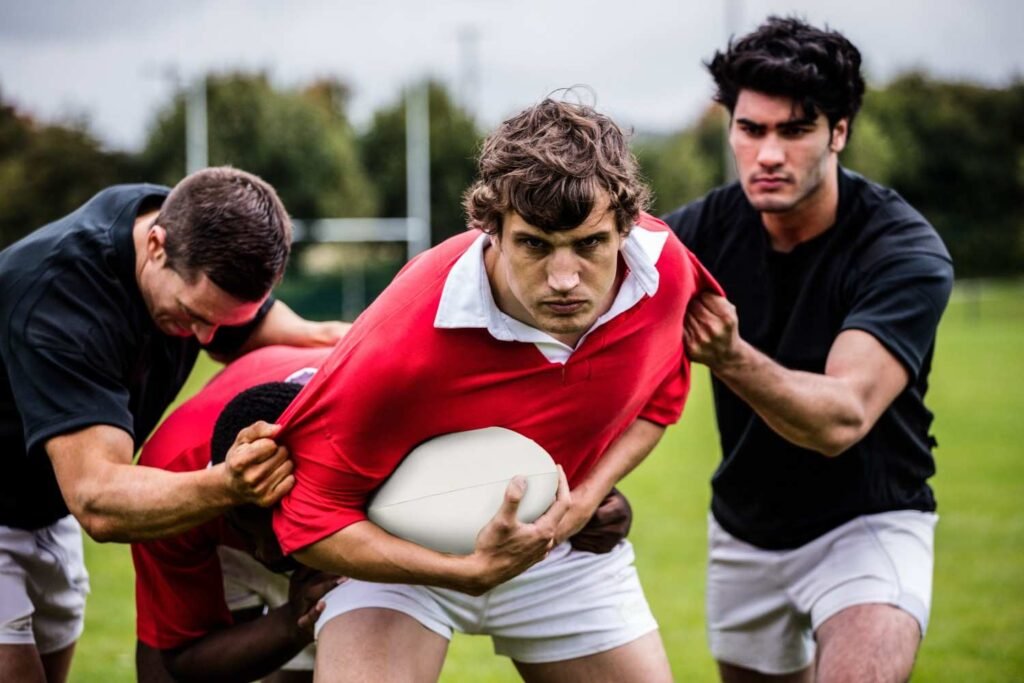
Players are generally expected to shake hands, clean up, and spend some time with the opposition. Leaving immediately without explanation may be considered poor form, especially when the host club has prepared food.
That expectation does not mean anyone must drink, sing, or stay all night. It means players should bury on-field grudges, congratulate opponents, and respect the hosts. College teams also use shared dinners and jersey exchanges to create friendships across clubs.
What Food and Drinks Does the Home Club Provide?
The home team traditionally handles the spread. In the United States, that may mean burgers, hot dogs, pizza, tacos, pasta, or local barbecue. Beer has long been visible at adult-club gatherings, but water, soda, sports drinks, and alcohol-free choices are equally important.
Hosting takes money and work. Amateur and college teams may use player dues, alumni donations, local sponsors, fundraisers, and out-of-pocket contributions to feed visitors.
Why Is the Referee Offered the First Drink?
Some clubs traditionally offer the referee the first drink as thanks for managing a demanding match. The gesture recognizes the official’s authority even when players disagreed with individual calls.
The drink does not need to contain alcohol. A soda, water, or preferred beverage communicates the same respect. World Rugby identifies integrity, passion, solidarity, discipline, and respect as the sport’s core values.
What Happens During a Traditional American Third Half?
Are Bawdy Rugby Songs Still Common?

Group singing remains a hallmark of some adult clubs. Traditional rugby songs can be loud, profane, ridiculous, and built around call-and-response participation. Older gatherings may include titles such as “Jesus Can’t Play Rugby” or “Friggin’ in the Riggin’.”
No player should be pressured to sing offensive or uncomfortable material. Many teams now use club chants, cleaner songs, or edited verses while keeping the same high-energy atmosphere.
What Are Shooting the Boot and Other Rugby Games?
Some adult gatherings feature verbal-rule games, hidden objects, practical jokes, or a stealthy citrus-fruit challenge. Another notorious custom is “shooting the boot,” where a player drinks beer from a rugby cleat.
These traditions are memorable but not essential. They also raise hygiene, alcohol-safety, consent, and liability concerns. Participation should always be voluntary, and clubs can use nonalcoholic versions.
How Do Match Awards and Kangaroo Courts Work?
Captains often name a Player of the Match from their own side and the opposition. Some teams also recognize a Forward of the Match and Back of the Match, continuing the competitive pride and camaraderie often associated with American Olympic rugby history.
A kangaroo court is an informal mock hearing led by a club “judge.” Players may face funny charges for dropping an easy pass, arriving late, wearing ugly gear, or breaking a team rule. Older penalties often involved chugging a drink. Modern clubs can use fundraising fines, cleanup duties, songs, or harmless challenges instead.
How Are US Rugby Clubs Making the Tradition More Inclusive?

Women’s teams, youth programs, college clubs, and inclusive rugby organizations have expanded the third half beyond its beer-heavy stereotype. Youth teams may share pizza, fruit, and soft drinks while coaches reinforce handshakes, referee respect, and good sportsmanship.
Adult hosts increasingly consider dietary restrictions, accessibility, religious practices, designated drivers, and alcohol-free participation. No one should have to drink, sing, perform, or accept embarrassing treatment to belong.
Frequently Asked Questions About the Rugby Third Half
1. Is Attending the Third Half Mandatory?
It is not an official rugby law, but clubs generally encourage players to stay, thank their hosts, and socialize when schedules allow.
2. Does Every American Third Half Involve Alcohol?
No. Adult clubs may serve beer, but alcohol is optional, and many gatherings center on food and nonalcoholic drinks.
3. Who Pays for the Visiting Team’s Meal?
The home club usually covers it through dues, fundraising, sponsors, alumni support, volunteer contributions, or several of these sources.
4. What Should a New Player Do at a Third Half?
Thank the hosts and referee, speak respectfully with opponents, follow venue rules, and join only activities that feel comfortable.
Why Does the Third Half Still Matter in American Rugby?
Professional sports often separate opponents when the game ends. Grassroots rugby offers another model. A shared meal, opponent award, referee drink, or conversation at a local pub shows that intense competition can coexist with friendship. Local American rugby reporting continues to describe the gathering as a place where players and opponents strengthen community after the match.
To me, the third half rugby tradition in America matters because it turns one fixture into a lasting connection. The barbecue, songs, awards, kangaroo courts, and strange games give each club personality, but respect remains the foundation. When teams host generously and protect every person’s choice, the third half represents rugby culture at its best.